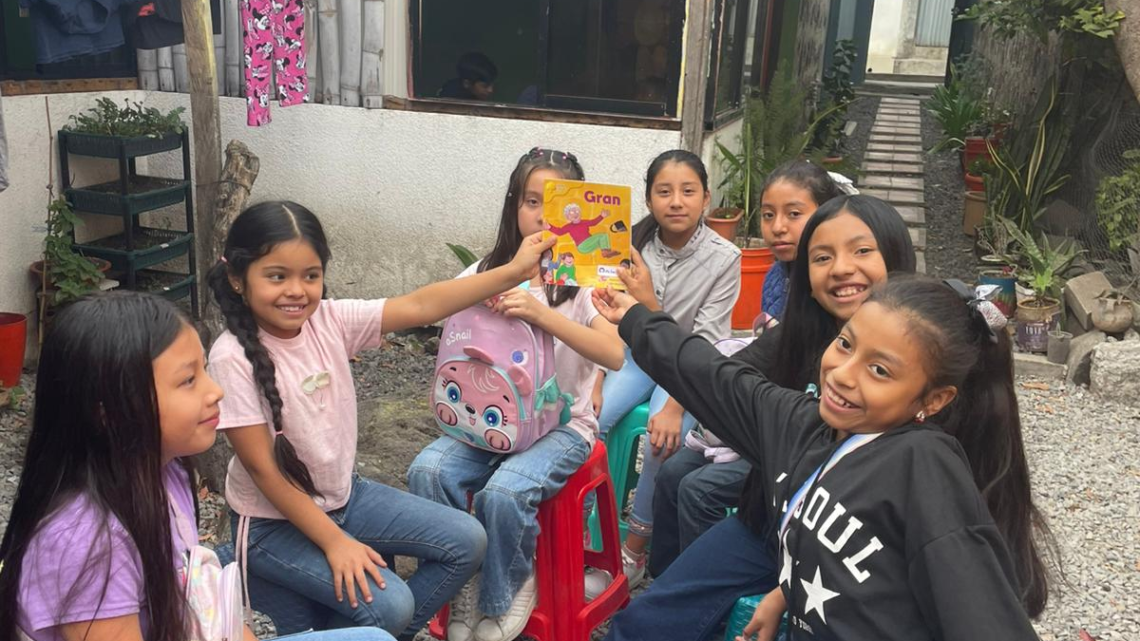
In Santiago Atitlan, education is part of everyday life, shaped by family responsibilities, economic realities, and long-term hopes for stability. Students and parents talk about schooling not in abstract terms, but in relation to work, opportunity, and the future of their community.
Listening to these experiences helps ground discussions about education in reality. The voices of students and families reveal what education means in practice and why grassroots education initiatives matter.
Organizations like One, Two…Tree! work within this context, but the direction comes from the community itself. Programs grow out of local priorities and relationships that have developed over time.
Rural Student Experiences in Guatemala: Education as Daily Practice
Descriptions of rural student experiences often focus on barriers, but daily life in Santiago shows something more complex: education is woven into routines and responsibilities.
Students balance school with household work, family businesses, and caregiving. Many children help with cooking, cleaning, or caring for younger siblings before or after classes. These responsibilities are normal parts of growing up and coexist with school attendance.
A typical school day may involve walking to class, sharing materials with classmates, and studying in the evening after other tasks are complete. Homework is often done at kitchen tables or in shared spaces rather than private study areas.
Students are clear about why education matters. They talk about gaining skills that will allow them to support themselves and their families. They also talk about confidence, feeling capable in environments that may once have seemed unfamiliar.
English learning is often connected to real-life experiences. Students see visitors around Lake Atitlán and understand that language skills can open opportunities in tourism, small business, and further study.
Stories from Guatemala
Hear directly from our students, their parents and teachers about what education and language learning mean to the community of Santiago Atitlán:
These student stories from Guatemala reflect how education is connected to everyday goals and future opportunities.
Family Perspectives on Education
Family perspectives on education reflect both aspiration and realism.
Parents often speak about schooling in terms of stability. Education is seen as a way to increase options in an uncertain economic environment. Many families depend on seasonal or informal work, and income can vary significantly from month to month.
Investing in education requires planning and trade-offs. Families organize their budgets around school expenses such as supplies and resources, and in some cases transportation. These decisions are rarely easy, but education remains a priority.
Many parents describe wanting their children to have opportunities that were not available to them. This does not necessarily mean leaving the community; for many families, success includes the ability to remain close to home while earning a stable income.
Education and Family Aspirations
Education and family aspirations are closely connected. A child’s schooling is often understood as a shared project involving siblings, parents, and extended family members.
Older siblings help younger ones practice reading. Parents attend school meetings and events when possible. Relatives share advice about continuing education.
Learning is rarely an individual effort.
Community Voices in NGO Education Work
Community voices in NGO programs are essential in shaping education initiatives.
Teachers, parents, and students all have perspectives on what works and what does not. Programs are strongest when they respond to these insights.
Teachers often emphasize the importance of practical learning, lessons that students can connect to their daily lives. They also highlight the need for continuity. Short-term projects can be disruptive, while consistent programs allow students to build skills over time.
Parents often stress accessibility. Education and classes need to fit around family responsibilities and schedules, as well as within household budgets.
Students emphasize participation. They value opportunities to speak, collaborate, and practice skills rather than simply memorizing information.
These perspectives influence how grassroots education initiatives develop. Programs evolve through ongoing conversations rather than fixed plans.
This approach recognizes that communities understand their own needs best.
Education and Family Aspirations for the Future
When students talk about the future, their goals reflect both ambition and practicality.
Some want professional careers such as teaching or nursing. Others imagine running businesses or working in tourism. Many describe futures that combine economic stability with connection to their community.
Education and family aspirations are not only about career paths. They also include hopes for independence, confidence, and the ability to navigate different environments.
Parents often speak about wanting their children to feel prepared, able to communicate with others, solve problems, and make decisions.
These aspirations extend beyond individual success. Families frequently describe education as something that benefits the whole household.
A young person who gains new skills can contribute knowledge and opportunities that affect siblings and relatives.
Education is seen as cumulative.
Why Community Voices Matter in NGO Work
Community voices are essential to understanding what education means in Santiago Atitlán.
Stories about education in Guatemala are sometimes told through a narrow focus on need or hardship. While challenges are part of the picture, they are only one part. Families, students, teachers and community leaders bring their own knowledge, priorities, experiences and aspirations to education.
Their perspectives offer a more complete picture of the role education plays in everyday life.
They show how families make decisions about education, how students navigate challenges and opportunities, and how teachers and community members contribute to learning and support.
They also remind us that change does not always happen in dramatic ways.
Sometimes progress looks like improved attendance, greater confidence in the classroom, students taking on new challenges, or stronger collaboration between schools, families and community organisations.
These changes may be small, but they can be meaningful, particularly when they reflect the priorities and efforts of the people at the heart of the community.
Grassroots Education Initiatives and Long-Term Change
Grassroots education initiatives work best when they support existing systems rather than replacing them.
Partnerships with public schools help strengthen local capacity. Supporting teachers contributes to long-term impact. Providing additional learning opportunities complements formal education.
This approach recognizes that sustainable change depends on local leadership and continuity.
Programs succeed when they build on what already exists in collaborative and innovative ways.
Over time, these efforts contribute to broader community development. Skills gained in classrooms appear in workplaces, local organizations, and family life.
Education becomes part of community resilience.
Looking Ahead
The future envisioned by students and families in Santiago Atitlán is grounded in everyday realities.
They talk about steady work, continued learning, and the ability to support themselves and their families. They describe futures that include both opportunity and connection to place.
These goals guide education initiatives more effectively than external assumptions ever could.
Listening to students and families helps ensure that programs remain relevant and respectful. It keeps education connected to lived experience.
In Santiago Atitlán, education is not a distant ideal. It is part of daily life, shaped by families, schools, and the wider community.
The voices of students and families remind us that meaningful education grows from relationships, continuity, and shared commitment.
And those voices continue to shape what comes next.
If you’re interested to see how you can you can help support education in Santiago Atitlán, visit our volunteer page or head to our instagram to see more stories from the ground!