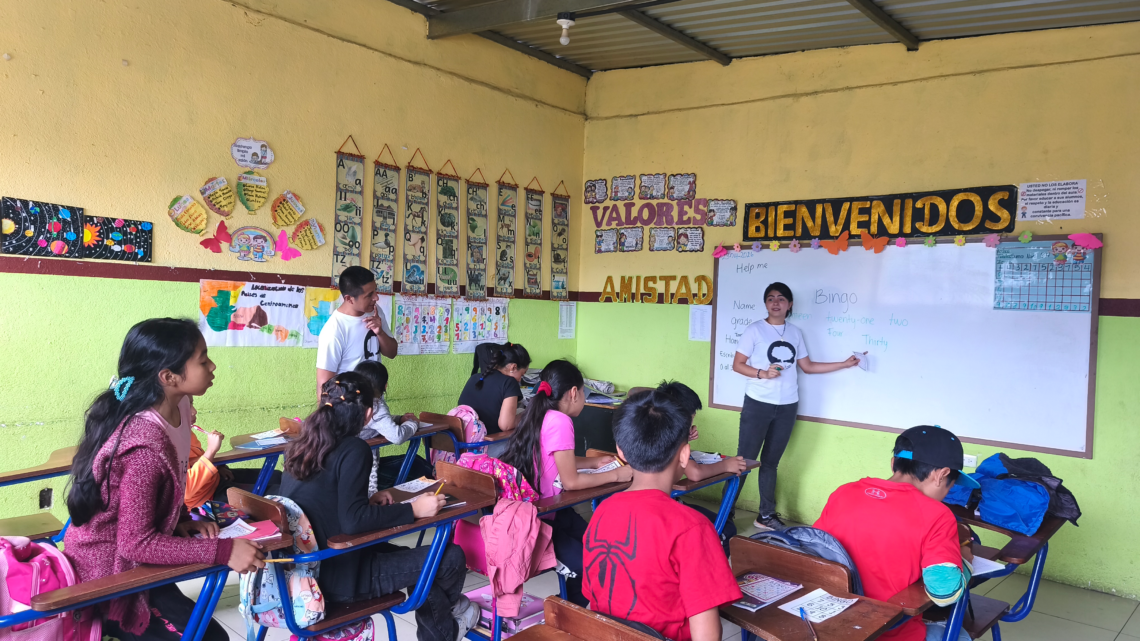
When people think about volunteering abroad, they often picture the immediate impact: a classroom full of eager students, a community project coming to life, or a volunteer sharing skills and experiences with local learners. While these moments are important, the true measure of success for any education-focused nonprofit lies in what happens after a volunteer leaves.
How do programs continue to thrive? How do students keep learning? How can communities continue to benefit from educational opportunities year after year?
At One, Two…Tree!, sustainability and learning longevity is at the heart of everything we do. Our goal is not simply to deliver English classes in Santiago Atitlán, Guatemala, but to create systems, relationships, and opportunities that allow learning to continue long into the future. Building a sustainable volunteer program and strengthening local leadership are essential parts of achieving that goal.
Why Sustainability Matters in Volunteer Programs
Many non-profits face a common challenge: maintaining momentum when volunteers come and go. While volunteers bring energy, expertise, and fresh ideas, relying entirely on short-term support can make it difficult to ensure long-term program success.
For educational initiatives, consistency is particularly important. Students learn best when they have regular opportunities to practice, engage, and build on previous knowledge. Interruptions in programming and short-term volunteer placements can slow progress and reduce confidence among learners.
This is why sustainable volunteer programs focus not only on recruiting volunteers but also on creating structures that support education program continuity. A strong volunteer pipeline, clear training systems, and local leadership development help ensure that students continue to benefit regardless of changes in volunteer availability.
Building a Sustainable Volunteer Pipeline
A sustainable volunteer pipeline is more than simply attracting new volunteers. It involves creating a reliable flow of committed individuals who understand the organisation’s mission and can contribute effectively from the moment they arrive.
At One, Two…Tree!, we work to build this pipeline by:
Recruiting Volunteers Throughout the Year
Rather than focusing on a single volunteer intake period, we recruit volunteers year-round. This approach helps us maintain a steady presence of educators and support staff within our programs.
By welcoming volunteers from different countries and backgrounds, including from the communities we deliver our projects in, we create a diverse learning environment that exposes students to different accents, cultures, and perspectives while reducing the risk of staffing gaps.
Providing Structured Training
Effective volunteer programs require preparation. Before entering the classroom, volunteers receive guidance on lesson planning, classroom management, teaching methodologies, and cultural awareness.
Providing clear resources and support helps volunteers feel confident in their roles while ensuring students receive a consistent learning experience.
Creating Transferable Systems
One of the most important elements of non-profit capacity building is documentation. Lesson plans, teaching materials, activity guides, and program procedures allow knowledge to be passed from one volunteer to the next.
When systems are documented, valuable experience is not lost when individuals move on. Instead, new volunteers can quickly build upon previous successes and continue improving program quality.
How Long-Term Volunteering Strengthens Education Programs
While short-term volunteers can make meaningful contributions, long-term volunteering in education often provides additional benefits for both students and organisations.
Volunteers who stay for extended periods have more opportunities to:
- Build strong relationships with students
- Understand local educational challenges
- Develop culturally responsive teaching practices
- Support curriculum development
- Mentor newer volunteers
- Contribute to long-term projects
Longer volunteer commitments also help create stability within educational programs. Students benefit from consistent instruction, while organisations gain and develop valuable institutional knowledge that strengthens overall program delivery.
At One, Two…Tree!, many of our volunteers commit several months to supporting our English programs, allowing them to become deeply involved in the learning journey of our students and the wider community.
Why Local Leadership Is Key to Sustainable Education
While volunteers play an important role, sustainable development cannot depend solely on international support. Lasting change happens when local communities are empowered to lead.
For this reason, local involvement and leadership development is a key component of our sustainability strategy.
Local educators, coordinators, and community members possess invaluable knowledge about the culture, language, educational needs, and aspirations of their community. Their insights help ensure programs remain relevant and effective.
Investing in local participation and leadership creates several important benefits:
Continuity and Stability
Local team members remain in the community long after volunteers return home. They provide consistency, maintain relationships, and help guide program development over time.
Community Ownership
Programs are most successful when communities actively participate in shaping them. Local participation and leadership encourages greater ownership and engagement, helping initiatives become embedded within the community rather than existing as external projects.
Cultural Relevance
Local leaders understand the unique context in which programs operate. Their perspectives help ensure teaching approaches, materials, and activities reflect community realities and needs.
Supporting Local Volunteers and Future Community Leaders
Sustainability also means creating opportunities for community members to become involved in educational initiatives themselves.
At One, Two…Tree!, we actively encourage local participation through volunteering, mentoring, and leadership opportunities.
Local volunteers often serve as role models for younger learners, demonstrating how education can create opportunities for personal and professional growth. Their involvement also helps strengthen community investment in educational programs.
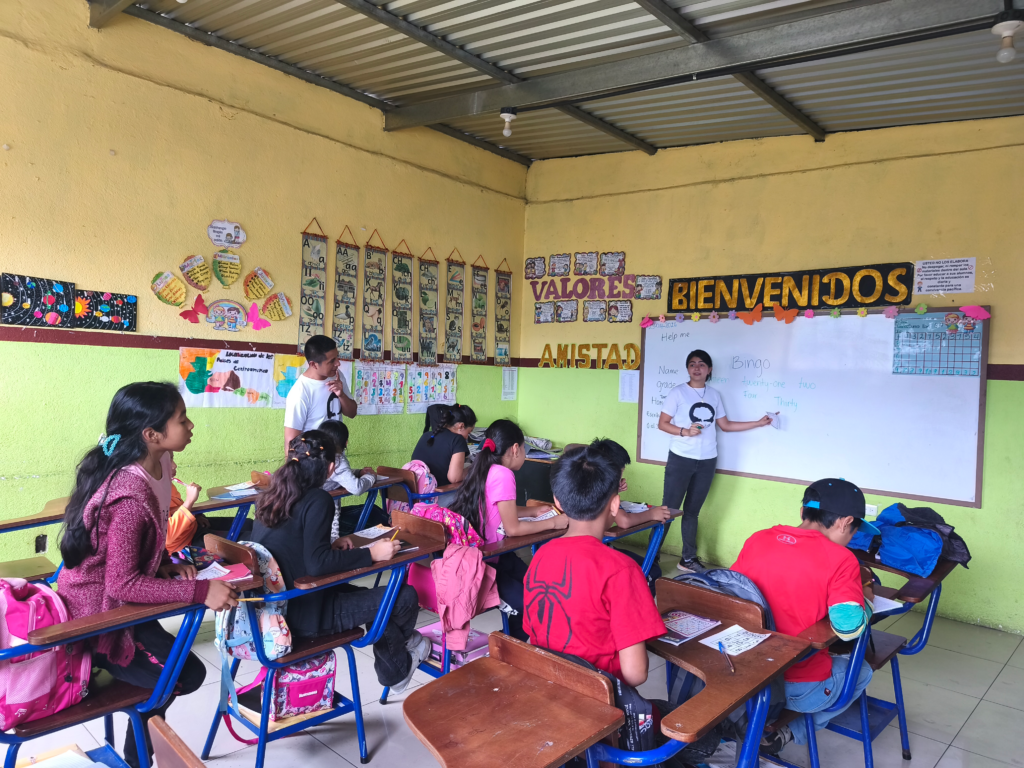
By creating pathways for local volunteers to take on increasing responsibility, organisations can build a stronger foundation for long-term success.
Building Sustainable Education Through Community Partnerships
Building a sustainable volunteer program is not something any organisation can achieve alone.
Partnerships with schools, community groups, local businesses, universities, and supporters play a vital role in maintaining educational opportunities.
In Santiago Atitlán, our partnerships with local schools allow us to reach hundreds of students each year through English language programs. These collaborations help align our efforts with community needs while expanding access to educational opportunities.
Partnerships also provide additional resources, expertise, and networks that contribute to long-term program sustainability.
Measuring Long-Term Impact and Program Sustainability
When evaluating educational programs, it is easy to focus solely on metrics such as student enrollment or volunteer participation. While these figures are important, sustainability requires a broader perspective.
Success can also be measured through:
- Increased local leadership involvement
- Improved volunteer retention
- Stronger partnerships
- Enhanced teaching resources
- Greater community engagement
- Consistent program delivery across multiple years
These indicators help demonstrate whether a program is building the capacity needed to create lasting impact.
The Future of Sustainable Education in Santiago Atitlán
As educational needs continue to evolve, nonprofits must adapt while remaining focused on long-term sustainability.
At One, Two…Tree!, our vision extends beyond individual classes or volunteer placements. We are working to create an educational ecosystem that combines international volunteer support, local leadership, community partnerships, and accessible learning opportunities.
By investing in a sustainable volunteer pipeline, strengthening local leadership, and prioritising education program continuity, we can help ensure that students continue learning, growing, and creating opportunities for themselves and their communities.
The future of education is not built through temporary solutions. It is built through collaboration, commitment, and the shared belief that every learner deserves access to quality educational opportunities.
Through sustainable volunteer programs and strong local leadership, we can keep the learning going, today, tomorrow, and for years to come.
Support Sustainable Education
If you would like to help build sustainable educational opportunities in Santiago Atitlán, there are many ways to get involved. Whether through volunteering, fundraising, partnerships, or donations, your support helps strengthen programs that create lasting impact for students, families, and the wider community.
Together, we can build a future where educational opportunities continue to grow long after individual volunteers have returned home.